|
💡 Tip of the Week
30 Day debt freeze pledge, commit to zero new borrowing for the next month. Each time you feel tempted, write down the amount and find an expense you can cut, or defer, to cover it instead.
|
In This Issue
|
1
|
New this week! Watch the newsletter content instead below!
|
› |
|
2
|
A payroll panic story that snowballed into crushing debt
|
› |
|
3
|
The three flavors of debt, examples, and hidden costs
|
› |
|
4
|
Freeze new borrowing, build a timing reserve, eliminate balances
|
› |
|
Presented by
|
|
|
Profit First Coaching — Cash Control with a Mentor
Implement Profit First with guides who work with you to create permanent profitability in your business. We teach using your language, empower you to reach your goals, and help you hit owner pay and profit targets with confidence.
|
✓
Profit First setup, analysis, training
|
|
✓
Mentorship to make you smarter with your money
|
|
✓
Accountability partner to keep you moving toward your goals
|
Learn by doing guidance to build lasting profit habits.
|
|
|
|
|
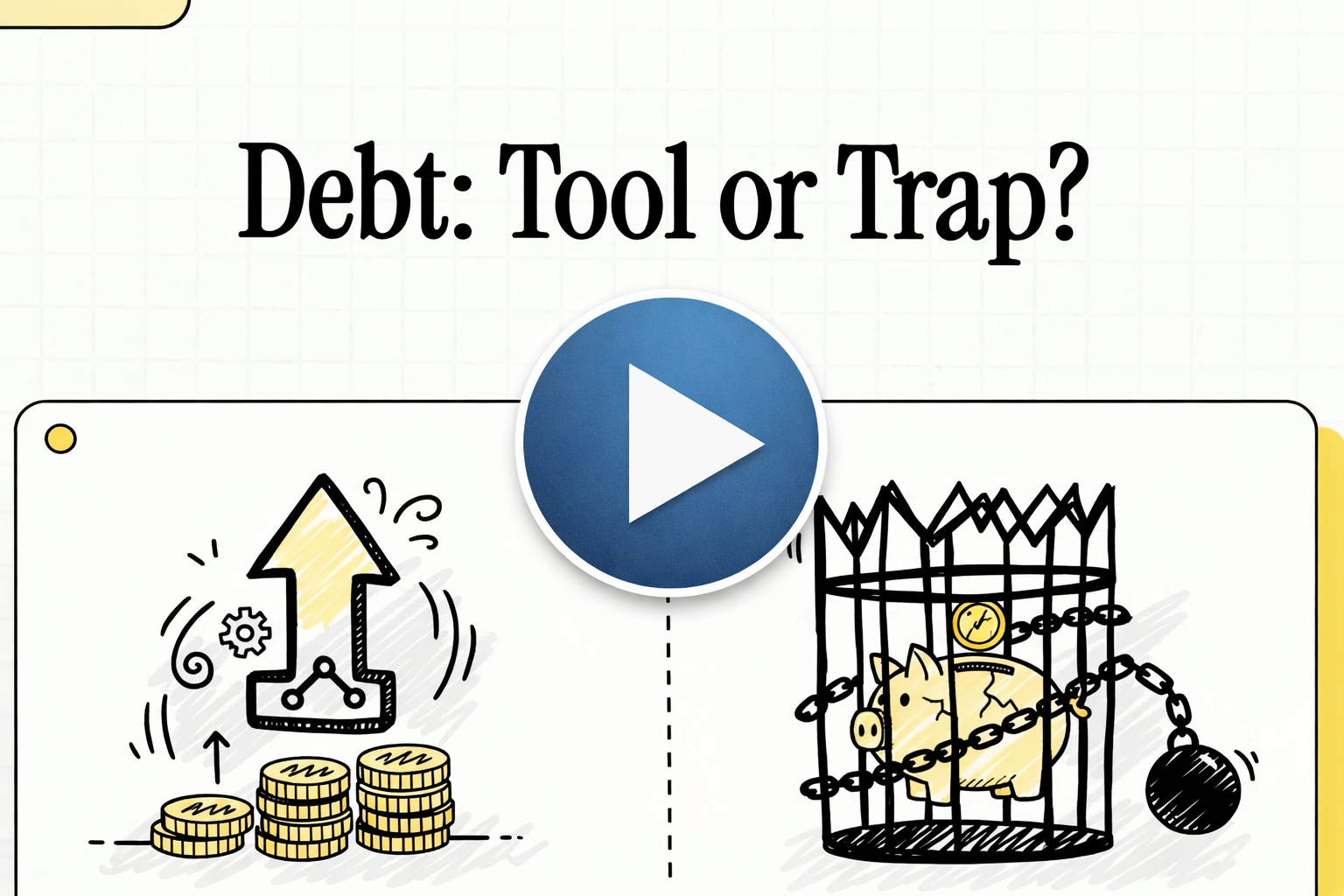
Debt, Tool or Trap? Understand the Difference Before You Sign
|
|
|
|
Watch this edition instead
Debt, Tool or Trap? Understand the Difference Before You Sign
|
Play Video →
|
|
|
Why talk about debt now?
With inflation still seesawing and tariffs changing overnight, many businesses feel their cash cushions evaporate faster than expected. We’ve noticed a sharp rise in owners tempted by instant online loans or credit card floats just to cover payroll. Quick cash can feel like relief, until the payments arrive and profit vanishes.
|
When a payroll loan becomes an anchor
One client had run lean and profitable, until discipline slipped. Profit and tax transfers paused, expenses crept up, and a sixty thousand dollar payment from their largest customer came in late. Payroll was due Friday. A Stripe cash advance offered funds in minutes. Perfect, the owner thought, I’ll repay as soon as the customer check clears.
The check cleared, urgent bills swallowed it. The Stripe balance lingered. A second loan covered taxes, a credit card swipe paid rent, and soon monthly debt payments were the company’s biggest expense. Stress and sleepless nights followed, proof that the quick fix had become a long term burden.
|
The three flavors of debt, know what you’re signing up for
Debt isn’t inherently wrong, but its impact depends on why you take it and how it will be repaid. Before borrowing, identify which bucket the loan falls into.
|
|
1) Investment debt, carefully calculated
Purpose: Acquire an asset designed to earn more than the loan costs.
Example: Financing a new service truck expected to add major revenue while payments remain safely covered even if sales dip. This often comes in the form of longer term debt, such as SBA loans.
Why it can work: Cash flow from the asset repays the loan and then adds profit.
Caution: Over optimistic projections or unexpected downtime turn a good loan into a drag.
|
|
2) Timing debt, risky, often avoidable
Purpose: Bridge a cash gap between paying expenses now and receiving revenue later.
Example: A contractor uses a line of credit to buy materials expecting payment in sixty days. Weather delays push payout to ninety days, interest accrues, and the balance sticks.
Why it hurts: Interest erodes margins you thought were earned, and balances grow when timing slips.
Better path: Build an internal timing reserve so you fund these gaps with your own cash, interest free.
|
|
3) Frivolous debt, never worth it
Purpose: Cover routine operating costs, payroll, rent, utilities, or sell invoices to factors for quick cash. This type of debt is never appropriate or helpful.
Real outcome: These loans pay day to day bills, produce no additional revenue, and interest becomes a huge monthly outflow, like adding a second payroll without any new staff.
Why to avoid: Adds high fees, masks overspending or underpricing, and compounds stress when payments come due.
|
|
Freeze, reserve, eliminate, a principle based plan
1) Freeze new borrowing and slash non essential spend
- Pause new loans and halt discretionary subscriptions and projects for 30 days.
- Negotiate extended terms with key vendors, they’d rather keep you than send you to collections.
- Channel every freed dollar to current balances, think of it as buying back your peace of mind.
2) Build a timing reserve, be your own bank
Open a separate account labeled “Timing.” Transfer 2 to 5 percent of every customer deposit into it. Within a few months, you’ll have cash to cover material purchases, slow receivables, or minor emergencies, without a lender’s fee attached.
3) Eliminate debt with the snowball method
- Decide on a weekly “Debt Killer” transfer, an amount you can commit to consistently.
- Pay minimums on all balances, then attack the smallest principal first.
- When that loan is gone, roll its payment into the next smallest balance. Momentum builds quickly, and each payoff boosts confidence and cash flow.
|
Bottom line
|
Unless debt funds a clearly profitable investment, it usually amplifies anxiety, drains profit, and steals sleep.
Freeze new borrowing, build a timing reserve, and dismantle balances with focus. Your future self will thank you.
|
|
|
SCHEDULE A STRATEGY SESSION NOW!
Adam Litster
Chief Profit Architect
(816) 500-5779
[email protected]
www.betterbizinfo.com
Simple systems. Consistent profit.
|
How do you like this edition of The Profit Shift?
|
Framework Summary
|
V
VISIBILITY
Learn the power of accurate information
|
|
|
P
PROFITABILITY
Grow your cash using disciplined expense control
|
|
|
S
SCALABILITY
Create a market dominating position through your powerful offer
|
|
|
|
Free Business Health Assessment
Ready for actionable insight into your business’s strengths and weaknesses? Take our free Business Health Assessment for personalized recommendations and a clear roadmap to improve your company’s health.
~3 minutes • quick clarity • next steps
|
|
|
© 2025 The Profit Shift. All rights reserved.
|
|